When to Prune Your Gibraltar Foliage: What Should Be Cut Back in Early summer?
Economy | 10 Jun 26, 00:00
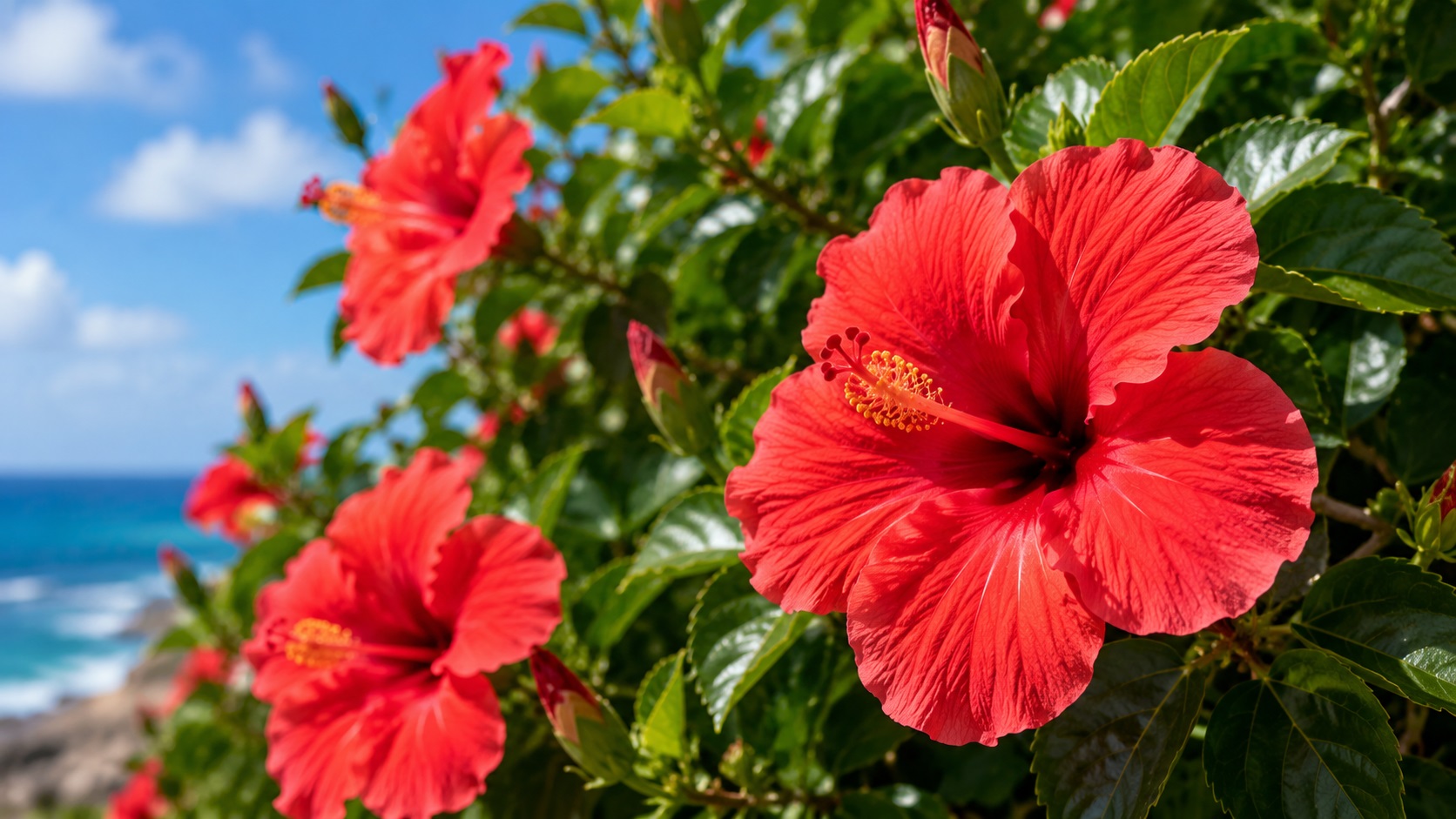
With summer arriving in Gibraltar, gardens across the Rock are bursting into life. Warm temperatures, long daylight hours and occasional humidity from the Levante create ideal growing conditions for many Mediterranean and subtropical plants. While spring is often associated with gardening, early summer is actually one of the most important periods for pruning and maintenance.
For homeowners fortunate enough to have a private garden, as well as residents' associations and self-managing blocks responsible for communal landscaping, June is the perfect time to tackle several common Gibraltar plants before growth gets out of hand.
Here are the species that benefit most from attention at this time of year.
Bougainvillea: Keep It Under Control
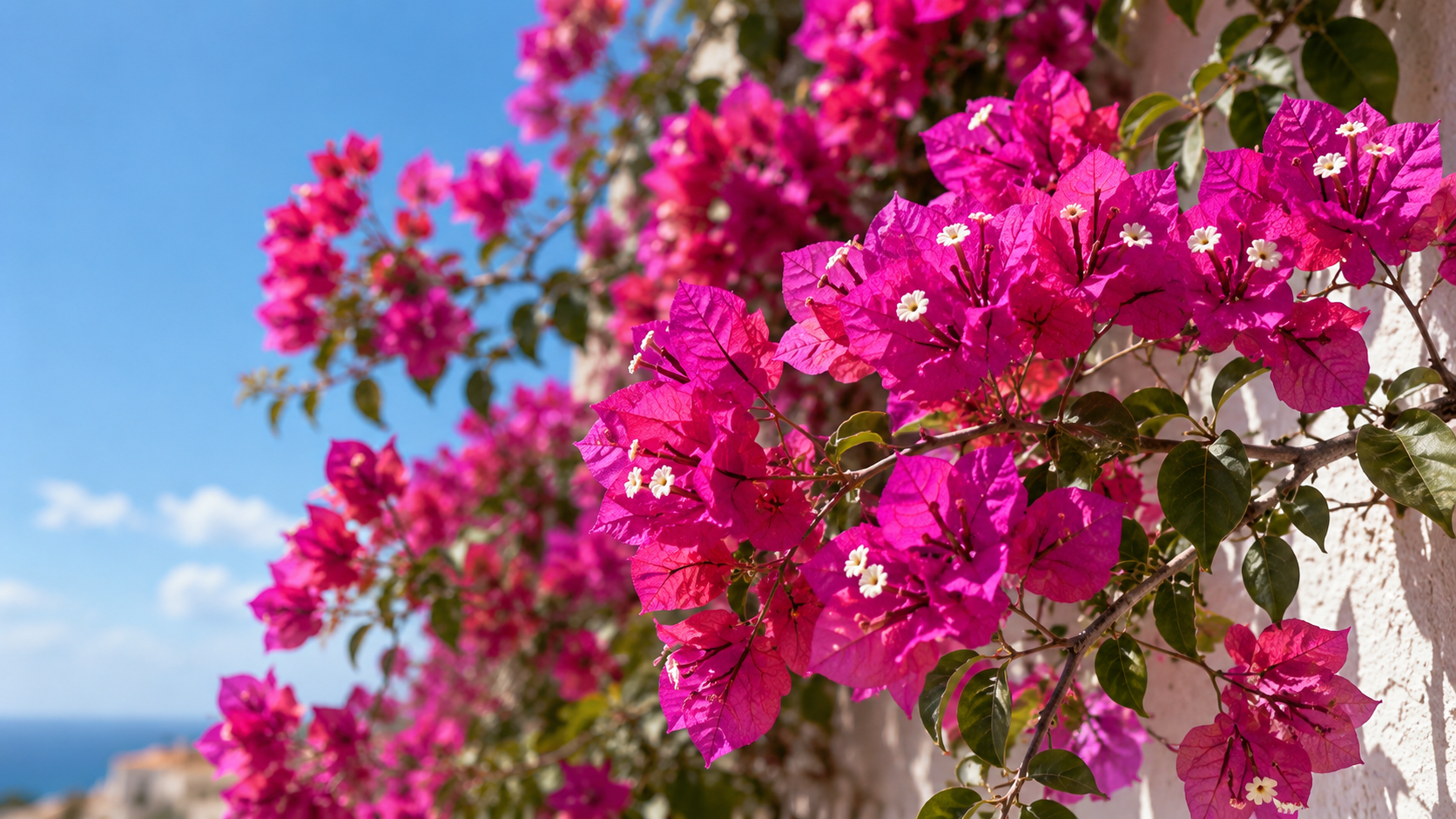
Few plants are more synonymous with Gibraltar than bougainvillea. Their vibrant pink, purple, red and white displays bring colour to terraces, walls and garden boundaries throughout the summer.
By June, many bougainvillea plants have completed their first major flush of flowering. Light pruning now can encourage further blooms while preventing the plant from becoming overly woody or invasive.
Focus on:
-
Removing spent flowers
-
Cutting back unruly shoots
-
Improving airflow through dense growth
-
Preventing branches from obstructing pathways or neighbouring properties
Avoid severe pruning during periods of extreme heat, as this can stress the plant.
Oleander Hedges
.jpg)
Oleander is widely used throughout Gibraltar as a screening plant and ornamental hedge. Its tolerance for heat, drought and coastal conditions makes it particularly well suited to local gardens.
Early summer is an excellent time for shaping oleander after its spring growth spurt. A light trim helps maintain a neat appearance without sacrificing the flowers that appear throughout the warmer months.
Communal gardens in apartment developments often benefit from a mid-year trim to keep pathways clear and maintain visibility around entrances and parking areas.
Hibiscus
.jpg)
The tropical appearance of hibiscus makes it a favourite in Gibraltar gardens. These fast-growing shrubs respond particularly well to pruning during the growing season.
June is ideal for:
-
Removing weak or leggy stems
-
Deadheading old flowers
-
Encouraging bushier growth
-
Improving flowering later in the summer
A light touch is best. Regular maintenance throughout summer usually produces better results than one major cutback.
Climbing Plants and Vines
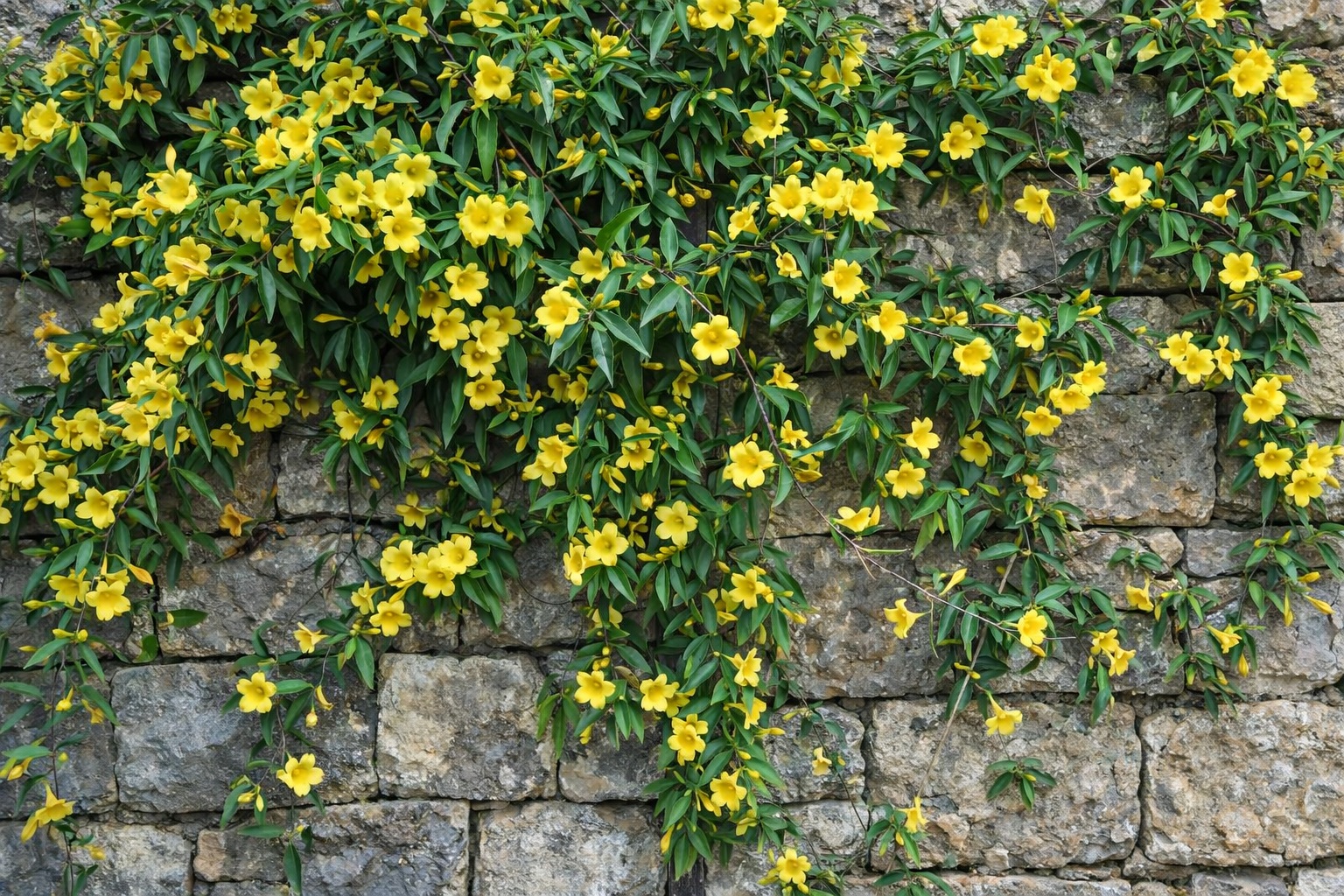
Many Gibraltar properties feature climbing plants such as jasmine, trumpet vine and climbing bougainvillea.
After vigorous spring growth, these climbers can quickly overwhelm walls, railings and pergolas.
June maintenance should focus on:
-
Tying in new growth
-
Removing damaged stems
-
Preventing plants from encroaching on windows or gutters
-
Maintaining desired shapes and boundaries
This is particularly important for apartment blocks where communal planting can sometimes obstruct lighting, CCTV cameras or access routes.
Palm Trees
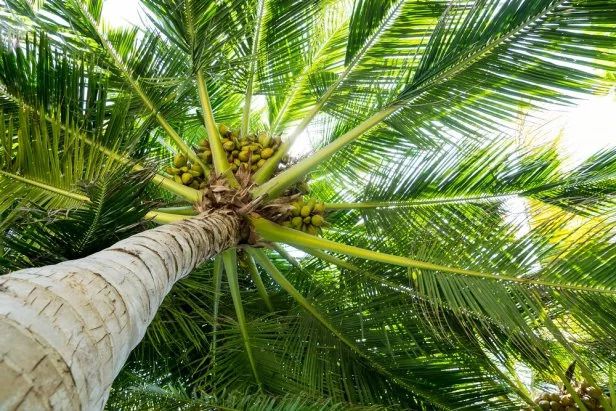
Palm trees are a defining feature of Gibraltar's landscape and often become focal points within residential developments.
Summer is generally a suitable time to remove dead fronds and seed heads. However, only genuinely dead material should be removed.
Over-pruning palms can weaken the tree and create the unpopular "hurricane cut" appearance that is often seen in poorly maintained landscapes.
If mature palms require extensive work, professional contractors should always be used.
Ficus Hedges and Screening Trees
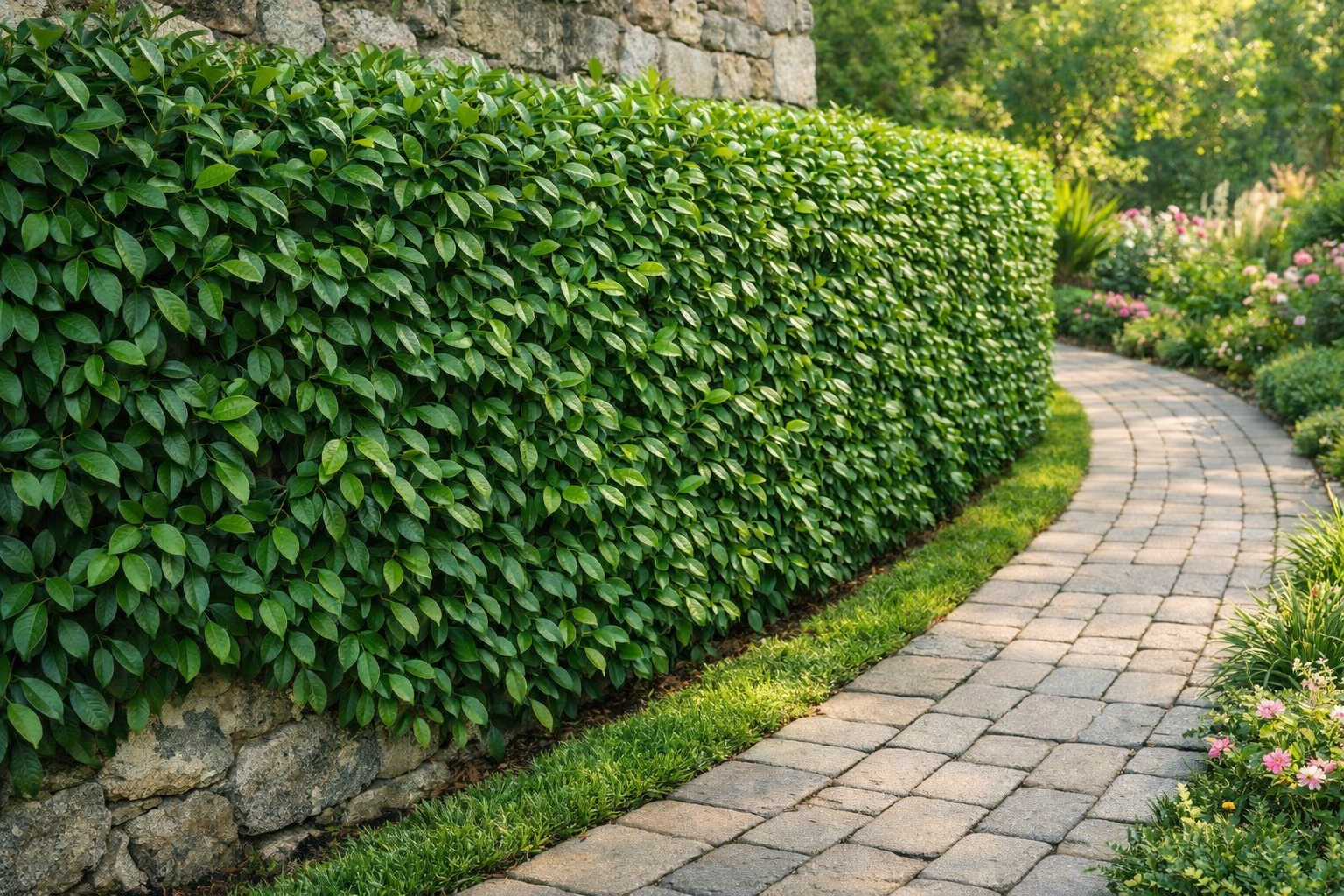
Ficus varieties are popular because they provide excellent privacy and dense screening. The downside is their rapid growth.
June is often the point at which ficus hedges begin to expand aggressively. A careful trim now can help:
-
Maintain privacy without excessive height
-
Improve airflow
-
Reduce pressure on walls and fences
-
Keep communal areas looking tidy
Regular light pruning is preferable to allowing ficus to become overgrown and then carrying out drastic reductions later.
Citrus Trees
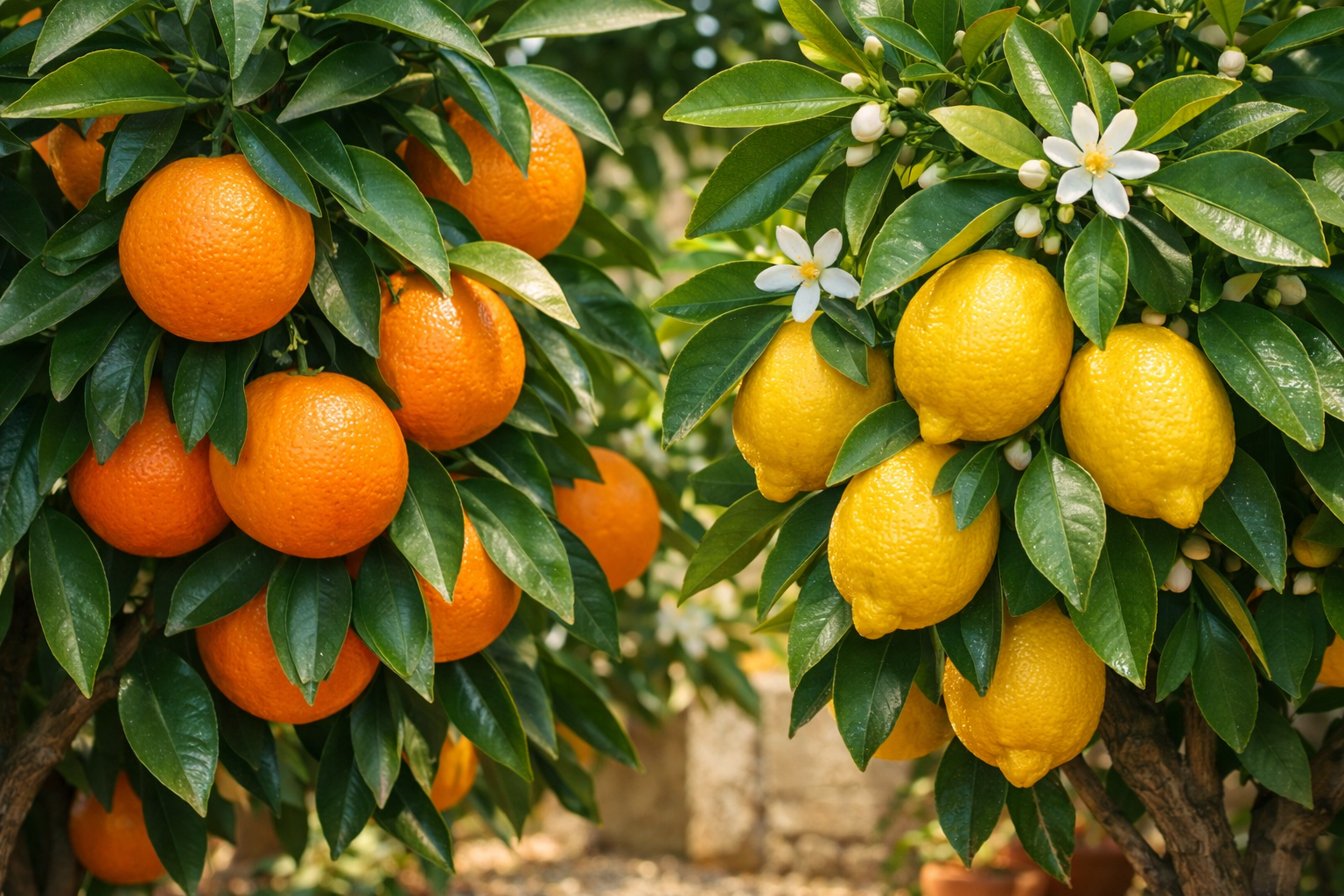
Many Gibraltar gardens feature lemon, orange or mandarin trees.
While heavy pruning is not recommended during summer, June is a good opportunity to remove:
-
Dead branches
-
Water shoots
-
Suckers growing from the base
-
Any damaged growth caused by winter weather
This helps direct the tree's energy towards fruit production rather than unnecessary vegetative growth.
What Shouldn't Be Pruned Right Now?
Not every tree benefits from summer pruning.
Olive trees, jacarandas and many larger ornamental trees are usually better pruned during the cooler months between late autumn and early spring.
Major structural pruning during hot weather can expose branches to sun damage and place additional stress on the tree during periods of drought.
If substantial work is required, it may be worth scheduling it for later in the year.
Don't Forget Safety
Summer is also a good time to inspect gardens and communal areas for potential hazards.
Look for:
-
Branches overhanging parking spaces
-
Growth obstructing footpaths
-
Vegetation reducing visibility at entrances
-
Dead limbs that could be affected by strong Levante winds
Preventative maintenance is almost always cheaper than emergency tree work following storm damage.
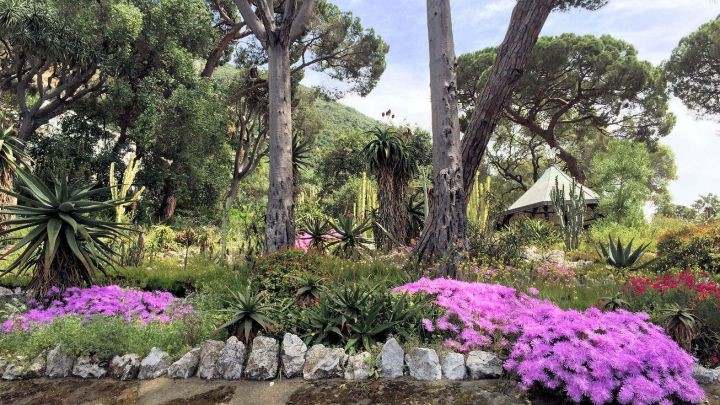
Keeping Gibraltar Gardens Looking Their Best
One of the pleasures of living in Gibraltar is the ability to enjoy outdoor spaces for much of the year. However, our climate also means plants grow quickly and often need more frequent attention than their counterparts in northern Europe.
A few hours of pruning and maintenance in June can keep gardens healthier, improve flowering throughout the summer and ensure communal areas remain attractive for residents and visitors alike.
Whether you're maintaining a private garden, managing a rental property or overseeing a residential development, now is an excellent time to give Gibraltar's most vigorous plants the attention they need.