The Rent Control Debate: Can Gibraltar’s Upper Town Be Revived?
Economy | 28 May 26, 00:00
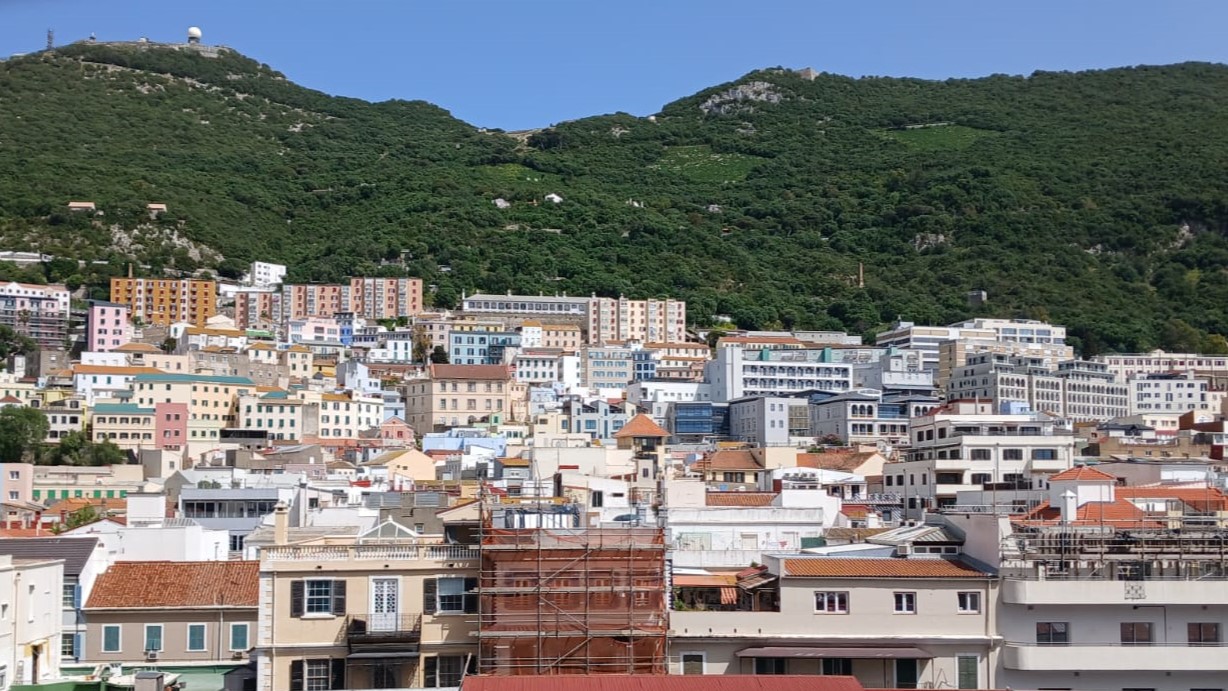
The debate surrounding rent control in Gibraltar has returned firmly to the spotlight - and for good reason. As reported by the Chronicle, members of the Gibraltar Landlord Association have once again called for reform of what they describe as a “50-year old law” that is “killing the upper town.”
While discussions around rent control can quickly become politically sensitive, the underlying issue is far broader than landlord returns or tenant protections alone. At its core, this is a conversation about urban regeneration, housing supply, investment confidence, heritage preservation, and the long-term sustainability of Gibraltar’s property market.
For years, Gibraltar has faced the same fundamental challenge: high demand for housing within an exceptionally constrained geographic footprint. Yet despite that pressure, large parts of the Upper Town continue to suffer from underinvestment, deteriorating buildings, and limited redevelopment potential.
The question facing Gibraltar today is not whether protections should exist for tenants - clearly they should. The real question is whether the current framework is achieving the balance needed to encourage both affordability and reinvestment.
The Structural Problem Behind the Headlines
According to the Chronicle report, some rent-controlled properties generate as little as £25 to £100 per month in rental income for landlords.
When viewed in isolation, that figure may appear anecdotal. But across hundreds of ageing properties, the economics become impossible to ignore.
Historic buildings require constant maintenance. Roofing, damp remediation, electrical upgrades, structural reinforcement, insurance costs, compliance standards, and energy efficiency improvements all come at significant expense. If rental income fails even to cover basic upkeep, reinvestment stalls. Over time, deterioration becomes inevitable.
This is particularly relevant in Gibraltar’s Upper Town, where many buildings form part of the Rock’s historic urban fabric. Unlike modern apartment blocks, these structures often involve higher maintenance costs and stricter planning considerations.
The result is a growing disconnect between the value of the asset to the community and the financial reality of maintaining it.
This is not simply a landlord issue. It is an urban planning issue, a housing supply issue, and ultimately a community issue.
Why This Matters for Gibraltar’s Housing Future
Gibraltar’s property market has evolved dramatically over the past decade. New developments have transformed areas such as Queensway, Europort and Devil's Tower Road, while international demand, remote working trends, and residency-driven relocation have all increased pressure on available housing stock.
At the same time, affordability concerns have intensified for many local residents.
Against this backdrop, the Upper Town represents one of Gibraltar’s greatest untapped residential opportunities.
Done correctly, regeneration could:
Increase housing supply without land reclamation;
Preserve Gibraltar’s architectural heritage;
Improve quality of life for residents;
Create mixed-income residential communities;
Support local businesses and hospitality;
Encourage long-term private investment.
But regeneration requires capital. And capital requires confidence.
Where investors or landlords believe they cannot achieve a sustainable return on refurbishment expenditure, projects simply do not proceed. Buildings remain underutilised or fall into decline.
This dynamic is not unique to Gibraltar.
Across Europe and the UK, policymakers are increasingly grappling with the unintended consequences of rigid rental frameworks. Several recent housing reform discussions in Ireland and the UK have focused specifically on balancing stronger tenant protections with the need to maintain private investment in rental housing.
The lesson from international markets is increasingly clear: housing policy works best when it creates stability for tenants while still incentivising maintenance, development and long-term supply growth.
The Risk of Doing Nothing
One of the greatest risks in property markets is policy stagnation.
When laws remain unchanged for decades despite shifts in demographics, construction costs, financing conditions and market realities, distortions inevitably emerge.
Gibraltar’s housing ecosystem today bears little resemblance to the one that existed 50 years ago.
Construction costs have risen sharply. Regulatory obligations are more complex. Sustainability requirements are expanding. Insurance and financing costs have increased globally. Meanwhile, demand for centrally located housing has intensified.
Without reform, the likely outcome is continued deterioration of older housing stock alongside an increasing concentration of investment into newer premium developments.
That creates a two-speed market:
modern, high-value developments attracting investment;
older legacy housing gradually becoming economically unviable.
In the long term, that is not healthy for the diversity or resilience of Gibraltar’s property market.
Reform Does Not Mean Removing Protections
Importantly, modernisation does not have to mean abandoning tenant protections.
The most successful housing systems internationally tend to balance three competing priorities:
Security for tenants;
Reasonable returns for landlords;
Incentives for long-term investment and maintenance.
These objectives are not mutually exclusive.
Potential reforms could include:
phased modernisation mechanisms;
means-tested protections for vulnerable tenants;
refurbishment-linked rental adjustments;
tax incentives for heritage restoration;
mediation frameworks between landlords and tenants;
clearer standards for maintenance obligations.
In many jurisdictions, governments are increasingly recognising that supply-side incentives are essential if housing quality is to improve sustainably over time.
The key is balance - not ideology.
A Wider Conversation About Gibraltar’s Identity
There is also a broader cultural dimension to this discussion.
The Upper Town is not simply a collection of properties. It is part of Gibraltar’s identity.
Its narrow streets, historic facades, military heritage and mixed residential character form a unique part of the Rock’s social fabric. Allowing long-term deterioration risks losing not only housing stock, but also an important part of Gibraltar’s historical character.
Thoughtful regeneration could breathe new life into these areas while preserving the heritage that makes them distinctive.
This is why the current debate deserves serious attention from policymakers, investors, developers and residents alike.
Understanding Rent Control and Decontrol in Gibraltar
One important nuance often overlooked in the broader debate is that not all pre-war properties in Gibraltar remain permanently subject to rent control.
Under certain conditions, properties may qualify for “decontrol” status following substantial refurbishment, redevelopment, or changes in occupation status under the Housing Act framework. However, the legal and practical process can be highly technical, particularly for buyers and sellers unfamiliar with historic property classifications.
At Richardsons, we regularly advise clients navigating these complexities - especially those considering the purchase, sale or redevelopment of older Upper Town and pre-war properties.
For anyone seeking a clearer understanding of how Gibraltar’s rent control framework has evolved, our detailed guide explores the history of the Housing Act 1983, decontrol provisions, and the implications for property owners and investors:
Richardsons Guide to Rent Control and Decontrol in Gibraltar
As interest in urban regeneration and heritage investment continues to grow, understanding these distinctions will become increasingly important for anyone active in Gibraltar’s property market.
Looking Ahead
At Richardsons, we believe Gibraltar’s property market remains fundamentally strong. Demand continues to outpace supply, the jurisdiction remains internationally attractive, and long-term confidence in Gibraltar real estate remains resilient.
But strong markets still require adaptive policy.
The conversation around rent control should not be reduced to landlords versus tenants. The bigger issue is how Gibraltar creates a sustainable, investable and inclusive housing ecosystem for the future.
If meaningful reform can unlock reinvestment into ageing housing stock while preserving fair protections for residents, Gibraltar has an opportunity not only to revitalise the Upper Town, but to strengthen the entire property market for the next generation.
That is a conversation worth having.