The Golden Rules of Restoring a Period Property in Gibraltar
Economy | 16 Nov 26, 00:00
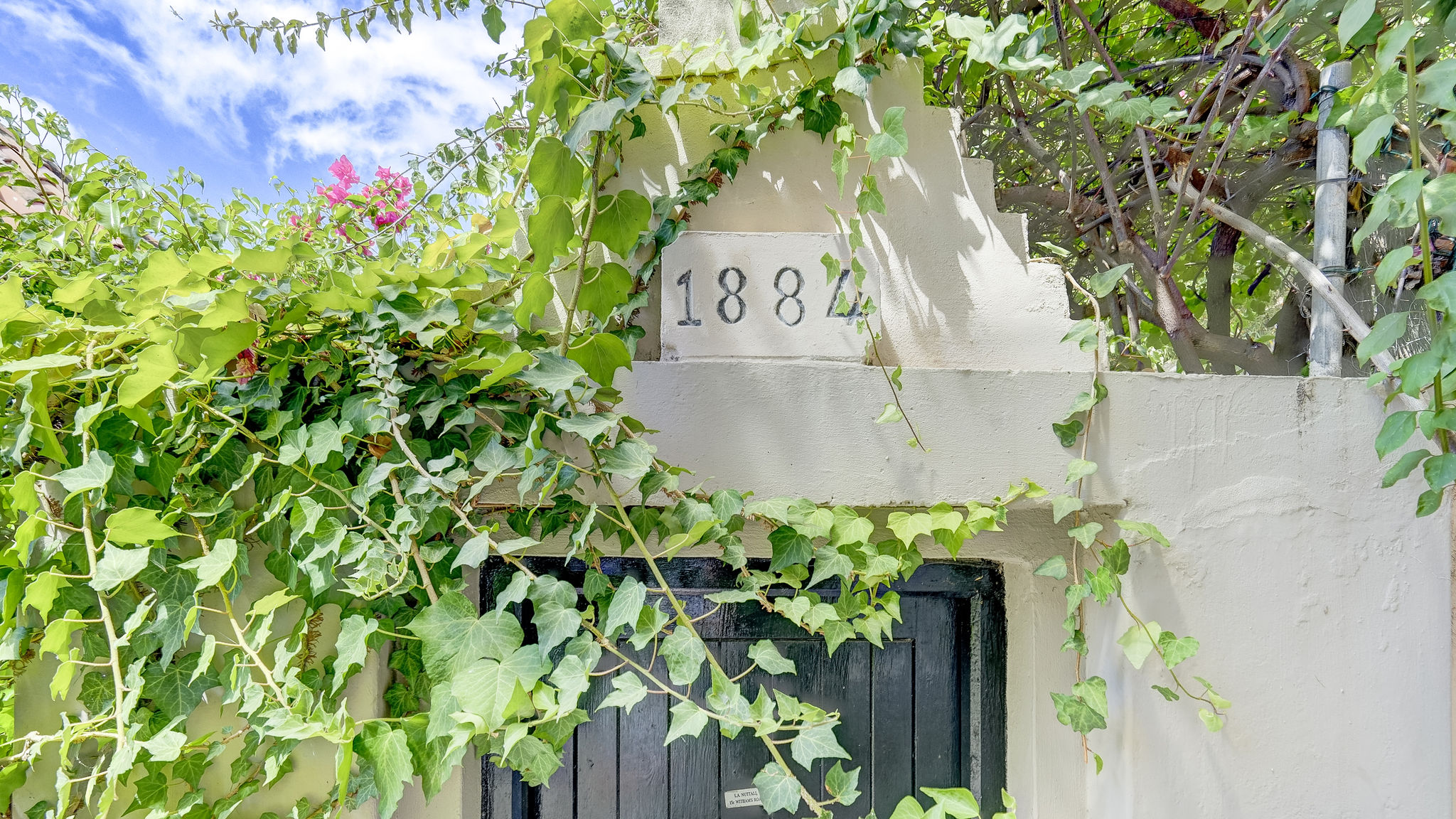
Gibraltar is home to a fascinating collection of historic properties, each with its own character, charm and story to tell. From traditional townhouses tucked away in the narrow streets of the Old Town to elegant period residences featuring original architectural details, these homes offer something quite different from modern developments.
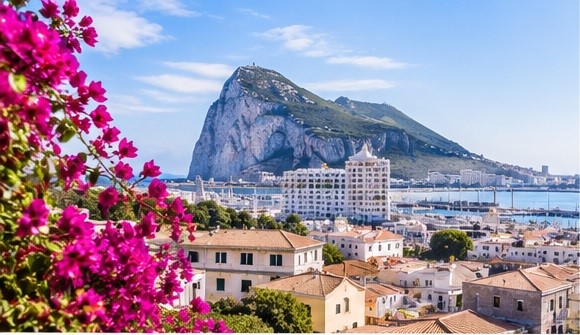
For many buyers, the appeal of owning a period property lies in its individuality. Original features, traditional construction methods and a sense of history can make these homes particularly special. However, restoring an older property requires careful planning, an understanding of traditional building techniques and an appreciation of the architectural heritage that makes Gibraltar unique.
Whether you have recently purchased a historic home or are considering taking on a renovation project, there are several important considerations to keep in mind. Here are our golden rules for restoring a period property in Gibraltar.
1. Understand the Property Before You Begin
.jpg)
Before undertaking any restoration work, it is essential to understand the building itself. Older properties in Gibraltar have often been altered, extended or modernised over several generations, meaning that what you see today may be quite different from the original structure.
Some homes may retain traditional features such as original timber doors, wooden shutters, decorative ironwork, traditional floor tiles and exposed stonework. Others may have undergone more substantial alterations over the years, sometimes using materials or construction methods that are not particularly compatible with the original building.
A thorough building survey is therefore one of the most important first steps. An experienced surveyor can assess the property's structural condition, identify potential damp issues, inspect the roof and examine the condition of its electrical and plumbing systems.
In Gibraltar, particular attention should be paid to the effects of the coastal environment. Salt air, humidity and changing weather conditions can all affect older buildings over time.
Understanding the property's condition from the outset will help you establish realistic renovation costs, prioritise essential repairs and avoid unexpected surprises further down the line.
2. Seek Professional Advice
Restoring a period property is rarely a straightforward undertaking. Even relatively modest improvements can reveal unexpected issues once work begins, particularly in buildings that have been standing for many decades.
For this reason, it is worth assembling the right team of professionals before starting a project. Depending on the scale of the renovation, this might include an architect, structural engineer, building surveyor, heritage specialist and experienced local contractors.
Their knowledge can be particularly valuable when dealing with traditional Gibraltar buildings, where construction methods and materials may differ considerably from those used in contemporary developments.
It is also worth considering how you intend to use the property before finalising your plans. A home that has been designed around traditional living arrangements may benefit from carefully considered changes to improve natural light, ventilation and the flow between rooms.
Where possible, spend some time understanding the property before making major alterations. This will help you identify which features work well, which areas need attention and where improvements would make the greatest difference.
3. Understand Gibraltar's Planning and Heritage Requirements
.jpg)
One of the most important considerations when restoring a period property in Gibraltar is understanding the relevant planning and heritage regulations.
Gibraltar has a rich architectural and cultural history, and protecting its historic buildings is an important part of maintaining the character of the territory. Certain properties are protected under the Heritage and Antiquities Act 2018, while others may be located within areas where additional planning considerations apply.
The Old Town is a particularly good example, with its historic streets, traditional buildings and distinctive architectural character forming an important part of Gibraltar's identity.
It is important to remember that development works in Gibraltar generally require planning permission before they can begin, alongside building regulations approval where applicable. This can include alterations that might initially appear relatively straightforward.
Changes to external façades, windows, balconies, rooflines and other architectural features may require particular consideration, especially where a property has heritage significance.
Before committing to a renovation scheme, consult the relevant professionals and the Department of Town Planning and Building Control. Establishing what is permitted at an early stage can help prevent costly delays, redesigns or the need to reverse completed work.
4. Use Traditional Materials and Respect Original Features
.jpg)
Perhaps the most important principle of period property restoration is to preserve as much of the original character as possible.
The charm of a historic Gibraltar property often lies in its details. Traditional timber shutters, original entrance doors, decorative iron railings, stonework and patterned floor tiles can all contribute to a property's individuality.
Where possible, these features should be repaired and restored rather than removed and replaced.
The choice of building materials is equally important. Older buildings were often constructed using traditional materials that behave differently from modern alternatives. Using incompatible products can create problems that may not become apparent until several years later.
For example, traditional lime-based mortar is particularly important in the repair of older masonry. Unlike modern Portland cement, lime mortar is more breathable, allowing moisture to escape through the joints rather than becoming trapped within the walls.
This is especially relevant in Gibraltar, where humidity and exposure to the coastal environment can make moisture management an important consideration.
The Gibraltar Old Town Design Guide specifically highlights the importance of using appropriate lime-based mortar when repairing older buildings.
When restoring original features, the aim should always be to retain the character of the property while ensuring that any new materials are suitable for its traditional construction.
5. Pay Particular Attention to Damp, Ventilation and the Coastal Climate
.jpg)
Gibraltar's Mediterranean climate offers many advantages, but its coastal location presents some specific challenges for older properties.
Humidity, salt exposure and limited ventilation can all contribute to deterioration over time. Traditional buildings may also have been designed to breathe naturally, meaning that modern materials and finishes can sometimes interfere with the way the structure manages moisture.
Damp should never simply be covered up with a fresh coat of paint. It is important to establish the underlying cause, whether this is related to water ingress, damaged external finishes, plumbing, inadequate ventilation or another issue.
Roof terraces, balconies, external walls and window surrounds should also be checked carefully, as these areas can be particularly vulnerable to water penetration.
Improving ventilation can make a significant difference, particularly in older homes with smaller internal rooms or limited airflow. Where possible, improvements should work alongside the building's original design rather than compromising it.
Addressing these issues properly will help protect the property in the long term and create a more comfortable living environment.
6. Be Realistic About Your Budget and Timescale
It is easy to underestimate the time and cost involved in restoring a period property. What initially appears to be a relatively simple refurbishment can quickly become a more substantial project once the building's underlying condition is understood.
Before work begins, obtain detailed quotations from reputable contractors and establish a clear scope of work. Make sure quotations specify the materials being used, the work included and any areas that may be subject to additional costs.
It is also sensible to set aside a contingency budget for unforeseen repairs. Older properties can reveal hidden structural issues, outdated installations or previous alterations that need correcting.
In Gibraltar, additional considerations such as access to properties along narrow Old Town streets, the availability of specialist materials and the need for planning approvals can also affect project timescales.
Be cautious of quotations that appear considerably cheaper than others. The quality of workmanship is particularly important when dealing with historic buildings, and choosing the right contractor can make a significant difference to the finished result.
7. Protect Yourself and Your Investment
Before commencing any major restoration project, make sure the necessary arrangements are in place.
This includes having appropriate written agreements with contractors, confirming the scope of work, establishing payment schedules and ensuring that the relevant insurance cover is in place.
It is also important to check the property's title deeds and any applicable leasehold or community arrangements. In Gibraltar, some older properties form part of shared buildings, meaning that alterations affecting communal areas, external walls, roofs or structural elements may require additional consent.
If the property is being purchased specifically for renovation, these matters should ideally be investigated before completion.
Keeping records of planning approvals, building work, warranties and professional reports is also worthwhile. This documentation can be useful when maintaining the property and may provide reassurance to prospective buyers should you decide to sell in the future.
8. Modernise Carefully Without Losing the Character
.jpg)
Restoring a period property does not mean that it needs to remain frozen in time. Modern comfort and traditional character can work beautifully together when improvements are approached thoughtfully.
Updated kitchens and bathrooms, improved lighting, more efficient electrical installations and carefully integrated heating or cooling systems can all make an older home more practical for contemporary living.
The key is to ensure that modern additions complement the original architecture rather than dominate it.
For example, a contemporary kitchen can sit comfortably alongside traditional flooring and original timber features. Similarly, discreetly integrated lighting can highlight architectural details without compromising the atmosphere of the home.
In Gibraltar, making the most of outdoor space is another important consideration. Where a property benefits from a balcony, patio or roof terrace, thoughtful improvements can enhance the connection between indoor and outdoor living.
The objective should be to create a home that feels comfortable and functional today while retaining the qualities that made it special in the first place.
Preserving Gibraltar's Property Heritage for the Future
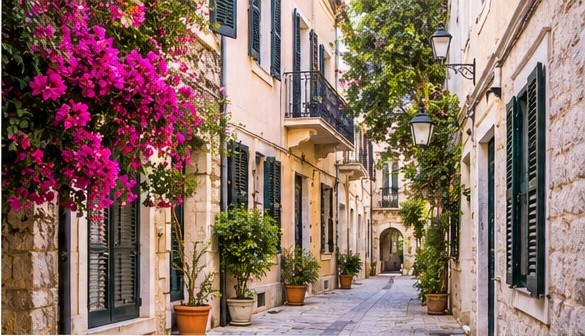
Restoring a period property in Gibraltar is about much more than renovating a building. It is an opportunity to preserve a small part of the Rock's history while creating a home that can be enjoyed for generations to come.
From the traditional streets of the Old Town to the characterful homes found elsewhere across Gibraltar, these properties contribute to the distinctive architectural identity of the territory.
The most successful restoration projects are those that strike the right balance between preservation and modernisation. By understanding the building, seeking professional advice, using appropriate materials and respecting local planning requirements, owners can protect their investment while retaining the charm and individuality of their home.
At Richardsons, we understand that buying or selling a period property can present different considerations from a more contemporary home. Whether you are searching for a character property with renovation potential or considering selling a home with a unique history, having the right local property advice can make all the difference.
Looking to buy or sell a property in Gibraltar? Check out these stunning period homes with scope to make your own: