Gibraltar's Art Deco Legacy: Discovering the Architectural Character of the Rock
Economy | 12 Nov 26, 00:00
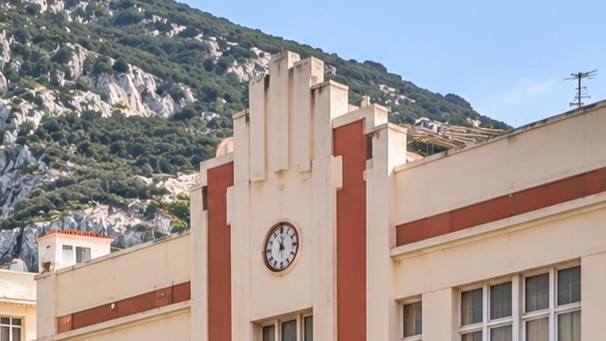
From the glamour of the 1930s to the distinctive residential buildings of the post-war years, Gibraltar has an architectural story that deserves to be discovered.
There is something special about a building that tells a story before you even step inside. Perhaps it is the symmetry of its façade, the gentle curve of a balcony, the proportions of its windows or the unmistakable character of an architectural era.
Art Deco has always had that appeal. Emerging during the 1920s and reaching the height of its popularity throughout the 1930s, the style became synonymous with elegance, optimism and modern living. Its distinctive geometric shapes, streamlined forms and decorative detailing transformed cities across Europe and beyond.
London is particularly celebrated for its Art Deco heritage, with grand apartment buildings, hotels, cinemas and commercial landmarks providing a lasting reminder of the period.
But you don't have to look to the architectural capital of Europe to discover this architectural legacy. Gibraltar has its own fascinating collection of buildings that reflect the influence of Art Deco and the changing tastes of twentieth-century architecture.
And for those looking to buy a home on the Rock, some of these buildings offer something increasingly difficult to find: individuality, character and a connection to Gibraltar's history.
The Art Deco influence arrives on the Rock
Art Deco emerged during a period of considerable social and technological change. Its defining characteristics included geometric shapes, symmetrical façades, rounded corners, vertical detailing and an emphasis on clean, elegant lines.
It was a style that celebrated progress. Buildings were designed to look modern, confident and sophisticated, often incorporating new materials and construction techniques.
Gibraltar, with its unique position between Europe and Africa, has always been influenced by architectural trends from Britain and the wider Mediterranean. Its built environment reflects a fascinating mixture of cultures, periods and design influences.
While the Rock is perhaps better known for its traditional Genoese-style shutters, British colonial architecture, historic townhouses and Mediterranean character, its twentieth-century buildings tell another important part of the story.
One of the most interesting aspects is how Art Deco continued to influence residential architecture into the post-war period, creating buildings that remain distinctive features of Gibraltar's streetscape today.
The Rock Hotel: Gibraltar's Art Deco icon
.jpeg)
Perhaps the most recognisable example of Art Deco architecture in Gibraltar is the celebrated Rock Hotel.
Built in 1932, the hotel was designed to bring a new level of sophistication to Gibraltar's hospitality offering. Set against the dramatic backdrop of the Rock, its architecture captured the spirit of the period, combining elegant design with a distinctly Mediterranean setting.
Over the decades, the Rock Hotel has welcomed distinguished visitors and become an important part of Gibraltar's social history.
Today, it remains one of the territory's most recognisable landmarks. Its enduring appeal demonstrates how architecture from this period can retain its elegance and relevance almost a century later.
Trafalgar House: Art Deco living in the heart of Gibraltar
.jpeg)
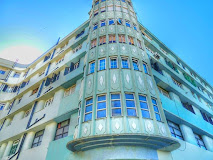
Art Deco wasn't simply about grand hotels and impressive public buildings. It also transformed residential architecture, introducing a new approach to apartment living.
One of Gibraltar's most interesting examples is Trafalgar House, a privately owned residential mansion block dating from the 1950s.
Situated close to Main Street and opposite the historic Southport Gate, Trafalgar House is a particularly distinctive addition to Gibraltar's residential landscape.
Its rounded front elevation, central courtyard and characteristic period detailing give it an architectural identity that sets it apart from many more conventional apartment developments.
The building's design is particularly interesting, incorporating tall, narrow windows, multi-pane glazing and projecting bays that create a strong sense of verticality and space.
For buyers who appreciate period architecture, Trafalgar House offers something rather different from a standard modern apartment.
Richardsons Properties currently has a three-bedroom apartment available within the building. Located on the seventh floor, the property enjoys elevated views across Town and towards the hills of Spain. It combines the building's original character with modern improvements, offering an opportunity to enjoy a genuine piece of Gibraltar's Art Deco-inspired residential heritage.
Discover the apartment:Three-bedroom apartment at Trafalgar House – Richardsons Properties
Cumberland Steps: Where architectural character meets modern living
.jpg)
Another interesting example of Gibraltar's residential architecture can be found at Cumberland Steps.
This distinctive residential street offers a fascinating glimpse into how the Rock has evolved over the centuries. Its story is not simply about the age of individual buildings, but also the history of the land, property ownership and successive periods of development.
Among its more interesting residential buildings is a 1950s apartment block incorporating Art Deco-inspired design.
While perhaps less immediately recognisable than Trafalgar House, it demonstrates how the architectural influence of the Art Deco era continued into the post-war years.
Today, that period character can be combined with the comfort and convenience expected of modern living.
Richardsons Properties is currently marketing a beautifully refurbished two-bedroom apartment within this building. Renovated back to the original stonework, the home has been comprehensively upgraded, including new plumbing and electrics, air conditioning and contemporary kitchen and bathroom fittings.
A private patio provides valuable outdoor space, while the original building gives the property a distinctive character that is difficult to replicate in newer developments.
It is an excellent illustration of how older residential buildings can be adapted to meet modern expectations without losing their identity.
Discover the apartment:Refurbished two-bedroom apartment at Cumberland Steps – Richardsons Properties
Matilde Francis Building: Another chapter in Gibraltar's residential story
The 1950s were an important period for Gibraltar's residential development, and another building worth considering is Matilde Francis Building.
Located in the South District, the building dates from the early 1950s and forms part of the generation of residential developments that helped shape post-war Gibraltar.
Although it should not automatically be classified as Art Deco, it belongs to the same fascinating period of architectural change, when the demand for homes and the desire for more modern forms of residential accommodation were transforming the Rock.
Buildings such as Matilde Francis provide an interesting contrast to the more decorative architecture of the earlier Art Deco period. They help tell the wider story of how Gibraltar adapted its residential landscape to changing lifestyles and the needs of its growing population.
It is precisely this mixture of architectural influences that makes exploring Gibraltar's older residential buildings so rewarding.
Cumberland Steps: A different kind of property heritage
.jpg)
Not every historic home needs to be Art Deco to have a fascinating story.
Cumberland Steps is a particularly good example of this. Beyond its 1950s residential architecture, the area has much deeper historical roots, with property records tracing land ownership back to the eighteenth century.
This distinction between the age of a building and the history of the land beneath it is one of the more interesting aspects of Gibraltar property.
Richardsons Properties currently has a substantial four-bedroom freehold townhouse available on Cumberland Steps. Offering approximately 225 square metres of internal accommodation, together with 53 square metres of outdoor space, the property provides a very different residential proposition from the apartment buildings nearby.
With multiple reception areas, terraces, a patio garden and a roof terrace overlooking the Bay and the Rock, it demonstrates another side of Gibraltar's residential character.
Its appeal lies not in Art Deco detailing, but in its sense of history, individuality and the increasingly rare opportunity to acquire a freehold home.
Discover the house:Four-bedroom freehold townhouse at Cumberland Steps – Richardsons Properties
The Alameda Fire Station: Art Deco beyond residential architecture

Art Deco's influence in Gibraltar wasn't confined to hotels and apartment buildings.
The City Fire Station at Alameda Grand Parade, completed in 1937, is another recognised example of the period's architectural style.
Its design reflects the practical yet forward-looking thinking of the 1930s, demonstrating how Art Deco influenced public buildings as well as private developments.
It is an interesting reminder that architectural heritage is not just about the homes we live in. Hotels, public buildings and commercial premises all contribute to the character and identity of a place.
The Queen's Hotel: An architectural landmark facing demolition
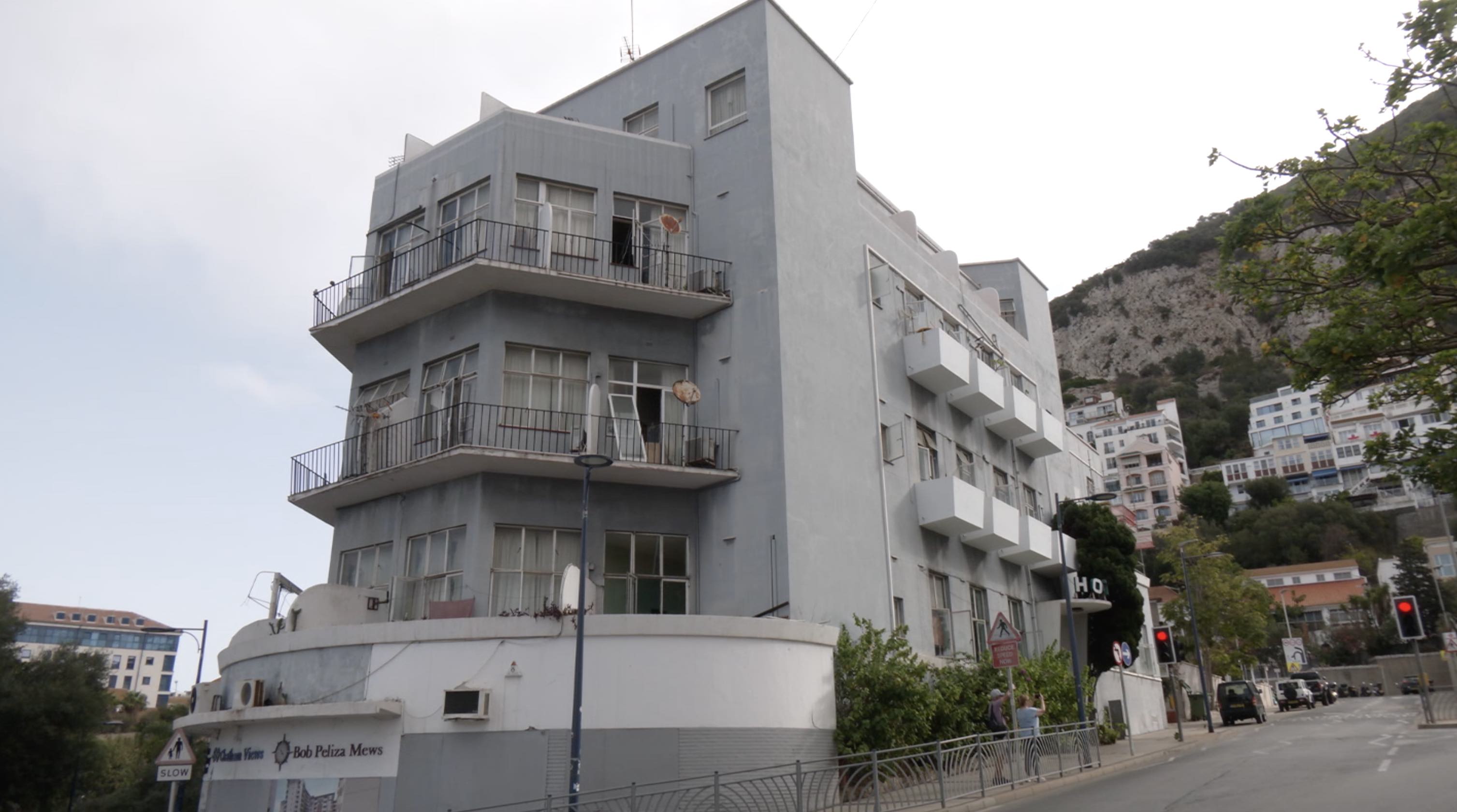
One fine example of the architecture that is about to be wiped from the skyline is the Queen's Hotel, situated just behind Trafalgar House. While not a textbook example of Art Deco, it forms part of the same wider architectural landscape that gives this part of Gibraltar its distinctive character. Its familiar façade and position within the streetscape have made it a recognisable feature of the area for generations.
The approved Queen's Gate Waters redevelopment will see the existing hotel and former Queen's Cinema site replaced by a substantial mixed-use development incorporating new residential accommodation, senior living facilities and commercial space. While redevelopment brings opportunities to modernise and improve the area, it also means the loss of another piece of Gibraltar's architectural history.
There is an important question here about how we balance progress with preservation. Once buildings such as the Queen's Hotel disappear, the architectural character they contribute to the townscape cannot simply be recreated. It is a reminder that the buildings we sometimes take for granted today may be the very ones future generations wish we had retained.
Why period architecture still matters to today's property buyers
There is a reason why properties in architecturally distinctive buildings continue to attract attention.
Modern developments offer many advantages, including contemporary layouts, energy efficiency and purpose-built facilities. However, older buildings can offer something rather different.
Original architectural features, distinctive façades, unusual proportions and established settings can create a sense of identity that is difficult to reproduce.
In Gibraltar, where space is limited and the property market has evolved through successive periods of development, these characteristics can be particularly appealing.
For some buyers, the attraction is the architecture itself. For others, it might be the location, the views, the proportions of the rooms or simply the feeling of living somewhere with a little more history.
The combination of period character and modern improvements can be particularly appealing, allowing buyers to enjoy the best of both worlds.
A legacy worth discovering
From the celebrated Art Deco elegance of the Rock Hotel to the residential character of Trafalgar House, the post-war apartment buildings of Cumberland Steps and the wider architectural heritage of Matilde Francis Building, Gibraltar has a story worth exploring.
It may not have the scale of London's Art Deco scene, but what it does have is a fascinating collection of buildings shaped by the Rock's unique history, geography and cultural influences.
For anyone considering buying a property in Gibraltar, looking beyond the apartment itself can reveal some wonderful opportunities.
Sometimes, the most interesting homes are found in buildings that have already stood the test of time.
At Richardsons Properties, we believe finding the right home is about more than location and square footage. It's about discovering a property with the right character, setting and story to tell.
Whether you're searching for a distinctive period apartment, a characterful townhouse or a contemporary home in one of Gibraltar's established residential areas, our team is here to help you explore the possibilities.
Discover Gibraltar property with Richardsons Properties.