Damp in Gibraltar: 7 ways to combat the inevitable headache
Economy | 28 Sep 26, 00:00
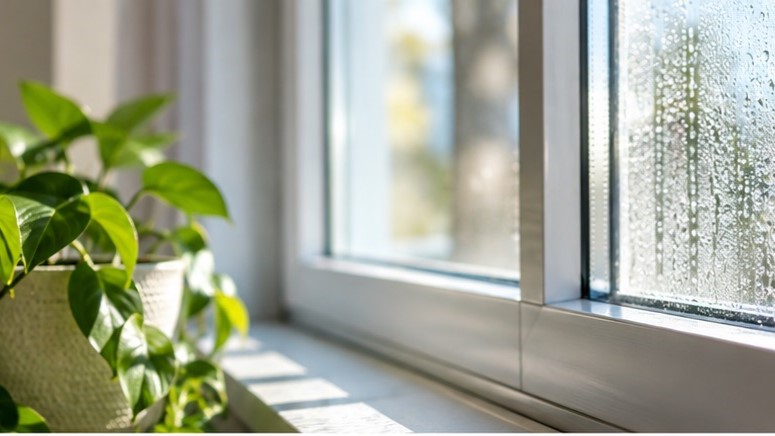
Few things can change the character of a property quite like damp.
That faint musty smell. Black spotting around a window. Paint bubbling on an external wall. A patch on the ceiling that seems to return every winter. Or the tell-tale white salts appearing on an old wall.
In Gibraltar, moisture can be particularly persistent. We have a combination of humid conditions, periods of heavy rainfall, exposed coastal buildings, older properties, flat roofs, terraces, balconies and, in some cases, buildings constructed directly against the Rock or below ground. Gibraltar's summer climate can also be surprisingly humid, with the Levanter bringing moisture-laden air to the Rock.
But before reaching for the most expensive waterproofing system available, there is an important question to answer:
Where is the water actually coming from?
Because condensation, penetrating rainwater, plumbing leaks and rising damp are completely different problems. Treating the wrong one can mean spending thousands of pounds and still having exactly the same damp patch six months later. RICS specifically distinguishes condensation from problems such as penetrating damp and plumbing leaks, while building conservation guidance similarly stresses that rain penetration requires a different solution from rising damp or condensation.
The good news is that the solution can range from almost free to seriously expensive.
1. Start with the £0 solution
Sometimes the first treatment for damp is surprisingly simple.
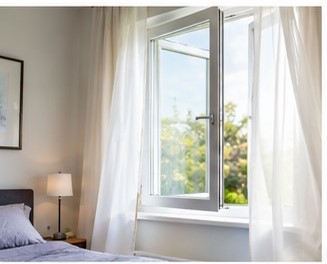
Air the property.
It sounds almost too obvious, but modern Gibraltar properties can be remarkably well sealed. Close the windows, run the air-conditioning occasionally, dry clothes indoors, take hot showers and cook regularly, and you can introduce a considerable amount of moisture into the air.
That moisture has to go somewhere.
When warm, humid air meets a cold surface, condensation forms. Windows are the obvious example, but external walls, corners, ceilings and areas behind furniture can all become condensation points. Over time, that moisture can encourage mould.
Opening windows regularly, particularly after cooking or showering, can make a significant difference. Use extractor fans properly, keep bathroom and kitchen doors closed while producing steam, and avoid drying large quantities of washing indoors without adequate ventilation. These are precisely the sorts of everyday activities RICS identifies as contributing to condensation.
And there is an additional Gibraltar consideration: don't assume that keeping everything permanently closed keeps moisture out.
Sometimes it keeps moisture in.
2. The next step: ventilation and dehumidification

If natural ventilation isn't enough, the next step is still relatively inexpensive.
A decent dehumidifier can be remarkably effective, particularly in bedrooms, bathrooms, storage rooms and properties that remain empty for periods.
For a holiday home or investment property, this can be particularly important. A property that sits closed up for weeks can develop a very different moisture problem from a home occupied every day.
The objective isn't necessarily to make the property bone dry. It is to control the humidity sufficiently to prevent condensation and mould.
Mechanical extraction can also help. Bathrooms should have effective extraction, while kitchens need to deal with steam and cooking moisture rather than simply recirculating it around the room.
Think of this stage as managing the environment rather than repairing the building.
3. Then look outside
.jpg)
If ventilation doesn't solve the problem, it's time to investigate the building itself.
Start with the simple things.
Are gutters blocked?
Are downpipes leaking?
Is rainwater being discharged against the wall?
Are terrace drains clear?
Are balcony outlets blocked?
Are window and door seals deteriorated?
Is there cracked render or failed pointing?
Has water found its way around a pipe, cable or other penetration through an external wall?
These relatively minor defects can produce surprisingly dramatic internal damage.
Gibraltar's Building Rules require buildings to resist moisture penetration, and specifically address matters including weather resistance, damp-proofing and rainwater drainage.
A failed seal around a window may cost relatively little to rectify. The resulting internal damage, however, can involve replastering, repainting, flooring and potentially damaged joinery.
The same principle applies to roofs and terraces.
Water will always take the easiest route.
The damp patch inside your bedroom may not be directly underneath the point where water is entering. Water can travel through masonry, slabs and joints before appearing somewhere completely different.
4. Don't forget the plumbing
.jpg)
Before assuming you have a damp wall, check whether you have a water leak.
A slow leak underneath a bath, shower tray, sink or concealed pipe can produce exactly the sort of symptoms people associate with penetrating damp.
This is particularly important because waterproofing the wall won't fix a leaking pipe.
It sounds obvious. Yet misdiagnosis is one of the biggest risks with damp treatment.
A good investigation should therefore establish whether the moisture is coming from inside, outside, below or simply from the air.
5. When the problem is rising damp
.jpg)
Ground-floor and basement properties can present another challenge.
Moisture can move upwards through masonry from the ground, particularly where an effective damp-proof course is absent, damaged or bridged.
This is where specialist diagnosis becomes worthwhile.
In suitable circumstances, a chemical damp-proof course can be introduced into the wall to create a barrier against rising moisture. Specialist Gibraltar contractors also use systems including resin, DPC rods and creams, depending on the construction and circumstances.
But this isn't something to specify simply because a damp meter has produced a high reading.
Old masonry can contain salts and moisture for all sorts of reasons, and even moisture meters need to be interpreted carefully in basement environments.
The diagnosis needs to come before the treatment.
6. Sometimes the plaster is part of the problem
.jpg)
Once the source of moisture has been dealt with, there is another question:
What do you do with the damaged wall?
Damp walls can contain salts that migrate into plaster and subsequently reappear as staining, flaking and bubbling paint.
Simply painting over the damage may make the room look better for a while, but it doesn't necessarily solve anything.
Specialist replastering systems can be used after damp treatment, with materials designed to cope with salts and residual moisture.
And in older Gibraltar properties, there is an additional consideration: sometimes the building needs to breathe.
Older solid-wall buildings were often designed around the movement and evaporation of moisture rather than attempting to create an entirely impermeable envelope. Applying impermeable modern finishes indiscriminately can sometimes trap moisture within the fabric rather than solving it.
7. Then there is the big one: tanking
.jpg)
At the far end of the scale is structural waterproofing.
This is particularly relevant to basements, semi-basements and other areas where water is coming through the structure itself.
Tanking essentially creates a waterproof barrier to prevent water entering the occupied space. Cementitious coatings are one approach, while other systems can involve membranes and drainage systems.
For more difficult below-ground situations, a cavity-drain membrane system can manage water by allowing it into a controlled drainage cavity, where it can be directed towards drainage channels or a sump and pumped away. Such systems can include alarms and battery backup because the drainage system becomes part of the waterproofing strategy.
This is no longer a weekend DIY project.
It requires proper design, preparation and installation. Waterproofing failures can be extremely expensive to rectify, and an inappropriate system can simply move the moisture problem somewhere else.
There are examples even in Gibraltar of major waterproofing projects where previous systems had failed and water was entering through joints, gullies, penetrations and interfaces.
The golden rule: don't treat the symptom
The temptation with damp is to attack whatever you can see.
Black mould? Paint it.
Bubbling plaster? Replaster it.
Damp wall? Tank it.
But the visible patch is often only the final chapter of the story.
The real problem could be a blocked terrace drain, failed window seal, leaking pipe, condensation, defective external render, rising moisture or groundwater pressure.
So the sensible approach is to work from the least invasive solution upwards.
Start by improving ventilation.
Then investigate humidity.
Check windows, doors, roofs, balconies, gutters and drainage.
Rule out plumbing.
Investigate rising damp where appropriate.
Repair the external fabric.
Replace damaged plaster and finishes.
And only when the evidence points towards a genuine structural water-ingress problem should you start considering major waterproofing works.
Because the most expensive damp treatment isn't necessarily the best treatment.
The best treatment is the one that solves the actual problem.
And in Gibraltar, where old buildings, modern apartments, exposed façades, terraces and humid conditions can all create very different moisture problems, understanding the difference can save a homeowner a considerable amount of money - and a great deal of frustration.
Disclaimer: The information in this article is provided for general guidance and is not intended to constitute professional building, surveying, structural, waterproofing or legal advice. Damp and water ingress can have many different causes, and the appropriate remedy will depend on the construction, condition and location of the property. Before undertaking significant remedial works, property owners should obtain appropriate advice and, where necessary, a professional inspection from a suitably qualified contractor, surveyor or other specialist.